

The People Pod Blog
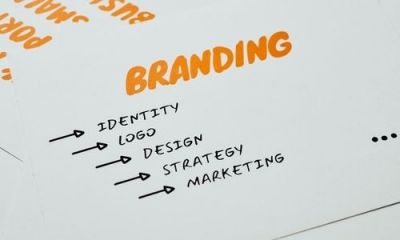
The ultimate guide to crafting your employer branding and EVP
Your employer branding strategy and Employee Value Proposition (EVP) are pretty key when it
comes to attracting and retaining key talent, and as well as earning the trust of your customers
and…

The Essential Online Training Resources for Sales Professionals
Sales professionals can enhance their CVs with free online training during the lockdown. Check out The People Pod’s guide to find out what’s available!

The Essential Online Training Resources for Retail & Hospitality Professionals
Want to enhance your CV with free retail and hospitality training during the lockdown? Check out The People Pod’s guide to find out what’s available online!

Browse by Topics

01 Jun
The UK Nuclear Skills Challenge: Why Demand Is Outpacing Supply
Workforce shortages are becoming one of the biggest long-term risks facing UK nuclear delivery. The UK nuclear sector is entering one of the most significant periods of investment and
programme activity seen in decades.
Read Article

13 May
How recruiters can help you tackle the Great Resignation
The Great Resignation has affected businesses far and wide, creating new challenges around retention and recruitment. Here's how businesses can tackle the issue head on.
Read Article

10 May
Five Tips for Overcoming the Stresses of Job Hunting
Feeling stressed about your job hunt? The People Pod can help. Read out top 5 tips for managing the stress of job hunting here.
Read Article

04 May
How to show your employees you value them
Looking to boost morale and retention rates? Here's how to show your team you value them.
Read Article

04 May
The sectors trying to hire more women
Which sectors are trying to hire more women in 2022? Find out here.
Read Article

04 May
5 Reasons to Consider a New Role
On the fence about moving jobs? Now could be the perfect time! Here are 5 reasons to consider a new role right now.
Read Article

04 May
5 Skills All Recruiters Need in 2022
Considering becoming a recruiter? Here are the top skills you need in 2022 to be a successful recruiter.
Read Article

04 May
Missed the New Year recruitment rush? Here's how to attract talent year-round
Find out how to attract talented candidates all year round with this helpful article from The People Pod.
Read Article

06 Sep
Candidate control: how to stop your placements falling through
Had one too many placements fall through recently? Losing your candidates to other career opportunities right at the point of receiving an offer?
Read Article
See our Social posts